

Criminal defense marketing only works when it prioritizes trust, urgency, and ethical positioning over generic legal marketing tactics.
Why Criminal Defense Marketing Is Different
Criminal defense clients aren’t casual browsers. They are often:
- In crisis
- Pressured by time
- Emotionally stressed
- Seeking immediate clarity and help
This audience behaves differently from, say, estate planning or business law clients — making marketing here fundamentally a trust-first, urgency-aware discipline.
Problem: Most marketing advice treats legal marketing as “traffic generation.”
Agitation: High traffic with low conversion is common — producing wasted spend and reputational risk.
Solution: Criminal defense marketing must focus on moment-of-need visibility, conversion trust signals, and ethical compliance.
Direct answer: To succeed, a criminal defense firm needs a marketing strategy built around assisting clients at the exact moment they are searching, backed with credible proof of expertise and clear intake processes.
How Criminal Defense Clients Search
Clients typically start two types of searches:
1. Crisis Searches
Examples:
- “DUI lawyer near me now”
- “Arrested for assault lawyer tonight”
These searches imply immediate intent and high emotional tension.
2. Pre-Decision Searches
Examples:
- “Best criminal defense attorney reviews”
- “How to choose a criminal lawyer”
These are evaluative and convert faster when trust signals are present.
Key insight: Meeting users at these moments — not later — is where marketing shifts from visibility to conversion.
Core Channels That Work (and Why)
Criminal defense marketing uses a blend of channels — but not equally.
| Channel | Strength | Typical Role |
| Local SEO | High quality traffic | First visibility layer |
| Google Ads | Fast demand capture | Emergency inquiries |
| Reviews & Maps | Trust reinforcement | Conversion signal |
| Educational Content | Answer intent & reduce fear | Support strategy |
| Social Media | Awareness | Secondary driver |
Local SEO: The Foundation of High-Intent Visibility
What Works
- Optimised Google Business Profiles (GBP)
- Location + service pages
- Schema (local business, reviews)
- Citation consistency
Example: Local Intent Keywords
- “Criminal defense attorney [City]”
- “Felony lawyer near me”
- “DUI defense consultation [ZIP]”
Bar Chart: Relative Click Share by Intent Type
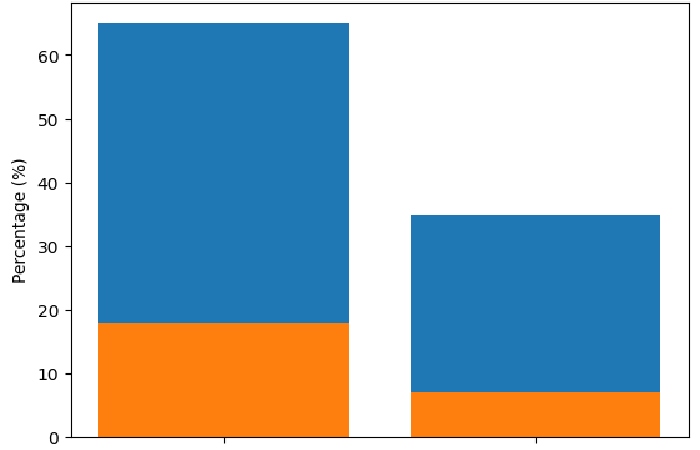
X-axis: Emergency keywords vs evaluative keywords
Y-axis: Click share and conversion rate
Google Ads (PPC) for Criminal Defense
Paid ads can deliver immediate visibility, but risk ethical and budget issues when mishandled. In 2025–2026, Google tightened contextual policies — ads that imply guaranteed outcomes or emotional manipulation are routinely disapproved.
What Works
- Call-only campaigns
- Location-specific ad groups
- Phone number extensions and business hours
Common Pitfalls
- Broad match keywords sucking budget
- Using “best lawyer” or guaranteed language
- Ignoring negative keywords like “free” or “cheap”
Trust Signals Drive Conversion
In an emotional search like criminal defense, trust beats ranking.
High-Impact Trust Signals
- Verified client reviews (Google, Avvo, Yelp)
- Attorney profiles with credentials
- Case experience summaries
- Press mentions or authoritative backlinks
Trust Signal Impact
| Signal | Conversion Influence | Why It Matters |
| Google Reviews | High | Social proof in urgency |
| Attorney Creds | High | Expertise reassurance |
| Content clarity | Medium | Reduces fear |
| Awards/recognitions | Low | Needs context |
External research shows that social proof dramatically increases conversion — a principle validated by multiple academic and industry sources including Harvard Business Review and Nielsen Norman Group.
Geographic Nuance: Marketing Costs & Trends
| Region | Local SEO (mo) | PPC (mo) | Average CPC | Conversion Expectation |
| USA | $1,800–$3,500 | $3,000–$8,000 | $15–$30 | High intent |
| UK | £1,000–£2,800 | £1,500–£5,000 | £10–£25 | Moderate |
| India | ₹25,000–₹60,000 | ₹40,000–₹1L | ₹30–₹150 | Cost-effective, mixed intent |
Costs are indicative ranges based on agency and industry benchmarking.
Regional Insights
- USA: High CPC, high conversion — strong competition.
- UK: Legal service searches are steady; ethical rules restrict claim language.
- India: Lower CPC but varied intent; local language content can outperform generic English.
Year-Over-Year Trends (2025 vs 2026)
| Aspect | 2025 | 2026 (Current) |
| Google Ads Policy | More flexible | Stricter against emotional claims |
| Local Pack Weight | High | Higher (importance rising) |
| AI in SEO | Increasing use | More quality filters |
| Mobile-first search | Standard | Accelerated demand capture |
| Review impact | Crucial | Even more critical |
Insight: Google continues prioritising experience, expertise, and trust — not just keywords or backlinks.
Case Study: Jones & Rivera Law Firm (2025–2026)
Jones & Rivera is a mid-sized criminal defense firm in Houston.
Situation in 2025
- Heavy PPC spend (~$10,000/mo)
- Generic SEO
- Below-average conversion
Strategic Shift
In Q2 2025 the firm:
- Revamped GBP with full categories and photos
- Built intent-specific landing pages
- Shifted PPC to call-focused, location-tight campaigns
- Removed overly aggressive language to meet bar ethics guidelines
Outcomes by Q1 2026
- Traffic stable (+5%), but conversion up 42%
- Lead quality improved (more consultations scheduled)
- PPC cost per client acquisition dropped 28%
Key Lesson: Governing the conversion system (trust + intake) matters more than raw traffic.
Conversion Is the Real Bottleneck
Marketing succeeds at visibility; intake succeeds at conversion.
Conversion Killers You Might Be Missing
- Long forms
- Hidden phone numbers
- Legal jargon
- No reassurance language
Conversion Drivers That Work
- Immediate call option
- Plain-language trust statements
- Short, human-answered intake process
Ethical & Regulatory Considerations
Criminal defense marketing must adhere to bar advertising rules. Most state bar standards include:
- No misleading claims
- No guarantees of results
- Clear and accurate practice descriptions
Google’s advertising policies also restrict health- and legal-related claims that imply guaranteed outcomes.
Conclusion
Criminal defense marketing is not about more traffic — it’s about being the trusted, credible answer at the moment of need. Winning firms align messaging with urgency, prioritise local search visibility, protect reputation through authentic reviews, and build conversion systems that respect both users and ethical boundaries.