

Introduction to Digital Identifiers
In modern legal practice, technical data frequently intersects with civil and criminal proceedings. Digital footprints, server logs, and numerical assignments such as 111.90.150.284 often appear during technical audits, digital investigations, or cyber law matters. Understanding how these identifiers function can help individuals and businesses navigate complex technological inquiries. Please note that the following information provides general guidance only and does not constitute formal legal advice.
Because technological frameworks and procedural rules vary significantly across jurisdictions, individuals dealing with digital disputes should consult qualified professionals. Laws, evidentiary standards, and investigative protocols depend heavily on the specific forum and statutory framework applicable to a given case.
As our daily routines become increasingly intertwined with digital infrastructure, the volume of data generated by everyday devices continues to grow exponentially. This hidden digital exhaust includes routing numbers, connection timestamps, and device fingerprints that tell a detailed story about online interactions. When these narratives become central to a legal dispute, courts must grapple with translating abstract technical concepts into actionable legal principles.
Navigating this terrain successfully demands more than just passing technological literacy; it requires an appreciation for how courts view electronic artifacts. While a technical expert might focus purely on the packets flowing across a network, a litigator must consider admissibility, chain of custody, and the psychological impact of digital exhibits on a judge or jury. Bridging this gap is one of the primary challenges facing modern jurisprudence.
Digital Evidence and Network Identifiers
Technical tokens and numerical strings serve specific functions in digital routing and data exchange. When a dispute involves online transactions, data breaches, or cyber incidents, technical evidence must be gathered and preserved according to established rules of procedure. Analysts frequently look at sequences akin to 111.90.150.284 to map out traffic flows and pinpoint where anomalies occurred during an incident.
Every device connected to a network relies on structured addressing to communicate effectively. These numerical labels allow packets of information to find their destination across vast global architectures. However, these same addresses can be spoofed, shared behind network address translation devices, or dynamically assigned, meaning that seeing a specific sequence in a log file is rarely the end of an investigation. It is merely the starting point.
Investigators must dig deeper to correlate connection logs with application-layer data, user accounts, and physical access records. Without this broader context, drawing definitive conclusions from network data alone is risky and prone to error.
The Role of Technical Metadata
Metadata and digital logs help establish timelines and trace data transmission. However, raw data alone does not automatically prove liability or guilt in a court of law. Establishing the authenticity and integrity of digital records requires adherence to statutory standards for electronic evidence.
Metadata acts as the quiet witness in every digital transaction. It records when a file was created, who modified it, and what system processed it. Yet, because metadata is inherently malleable, courts approach it with a healthy degree of skepticism. Opposing counsel will frequently challenge the integrity of log files, arguing that timestamps could have been altered or that the logging system itself was misconfigured.
Overcoming these challenges requires meticulous documentation and expert testimony. Technicians must demonstrate that the systems recording the metadata were operating correctly and that no intervening processes corrupted the data stream between its creation and its presentation in court.
Comparison of Physical and Digital Evidence
Evaluating physical evidence differs fundamentally from analyzing digital files. The table below outlines key distinctions in handling these distinct categories of evidence.
| Feature | Physical Evidence | Digital Evidence |
|---|---|---|
| Nature | Tangible objects, documents, or substances. | Data packets, logs, files, and electronic records. |
| Preservation Risk | Physical degradation, loss, or contamination. | Alteration, deletion, overwriting, or metadata loss. |
| Authentication | Chain of custody and physical inspection. | Hash values, digital signatures, and expert verification. |
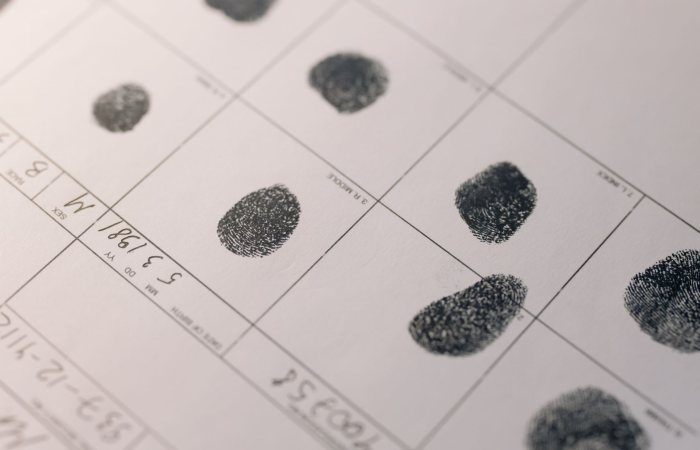
Unlike a physical fingerprint left at a crime scene, digital artifacts can be viewed, copied, and analyzed simultaneously by multiple parties without inherently destroying the original evidence—provided proper precautions are taken. Nevertheless, the underlying storage media remains vulnerable to accidental modification simply by mounting a drive or booting a compromised operating system.
Legal Frameworks and Digital Records

In India, the admissibility of electronic records is governed by statutory provisions within evidence law. Courts require proper certification and authentication before accepting digital outputs as reliable proof. When an identifier like 111.90.150.284 is cited in technical reports or pleadings, courts evaluate its relevance, authenticity, and the reliability of the system that generated it.
Legislative bodies and judicial systems have had to evolve rapidly to keep pace with technological innovation. Traditional rules of evidence were designed for paper documents and eyewitness testimony, not encrypted messages, cloud storage, and distributed networks. As a result, modern litigation often involves statutory exceptions, specialized certification requirements, and expert testimony designed to bridge the statutory gap.
Judges are increasingly comfortable with technical terminology, but they still demand clear, unambiguous proof that digital records have not been tampered with. Legal practitioners must guide their clients through these rigorous procedural hurdles long before a case ever reaches the trial stage.
Checklist for Handling Digital Records
When preserving digital information for potential legal proceedings, consider the following practical steps:
- Ensure data collection is performed without altering original files.
- Maintain a strict, documented chain of custody for all storage media and log files.
- Engage certified technical experts to examine complex server logs or network data.
- Consult qualified legal counsel before submitting technical reports to any judicial authority.
Adhering to these steps significantly reduces the risk of having critical evidence thrown out on technicalities. In high-stakes disputes, a single procedural misstep during the collection phase can undermine an otherwise airtight case, making foresight and discipline invaluable assets for any litigant.
Frequently Asked Questions

Is technical data automatically admissible in Indian courts?
No. Electronic records must meet specific statutory requirements and evidentiary standards regarding authenticity and certification before they can be admitted as evidence.
Does Legal Ants provide technical investigation services?
Legal Ants offers legal information and connects clients with experienced professionals across various practice areas, but does not provide direct digital forensic or investigative services.
What should I do if my digital rights are compromised?
If you face urgent cyber threats, data breaches, or potential legal liability, seek prompt assistance from local law enforcement or qualified legal counsel immediately.
How do courts treat identifiers like 111.90.150.284 during a trial?
Courts treat them as circumstantial technical evidence. They must be contextualized through expert testimony, server logs, and statutory certification to be given meaningful weight in judicial decision-making.
Conclusion
Navigating technical identifiers and digital records requires a careful balance of legal awareness and technical precision. Whether reviewing server data or evaluating network strings like 111.90.150.284, adherence to established legal procedures is essential. For tailored guidance regarding civil, criminal, or cyber law matters in India, always consult a qualified advocate registered with the appropriate bar council.
Ultimately, the successful resolution of technology-driven disputes depends on cooperation between legal strategists and technical specialists. By respecting the nuances of electronic evidence and maintaining rigorous evidentiary standards, individuals and organizations can protect their interests in an increasingly connected world.
Related Guides
Explore more useful resources related to this topic: