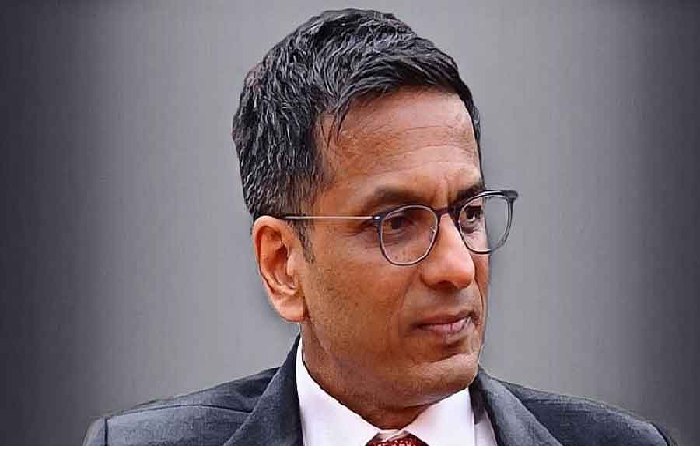

Author: Legal Ants

  • List of Presidents of India

    List of Presidents of India As the commander of state, the President exercises the powers started in India’s Constitution. A secretarial guide is provided to the President by the Presidential Secretariat to carry out the state’s constitutional, ceremonial, and other functions. For more updates please visit our website

    The Presidential Secretariat is headed by the Secretary to the President, assisted by a team of soldiers, as described on the Presidential Secretariat website. The Presidential Secretariat includes the Secretariat and the House and Garden Offices. These wings perform functions related to the Constitution, administration, receiving state guests, petitions from everyday people on various issues, and maintenance of the Rashtrapati Bhavan, the Presidential Residence and Gardens.

    All inquiries requiring the attention of the President on matters concerning the powers and authorities under law or on issues concerning the establishment of constitutional governing bodies shall be received by the Presidential Secretariat and the relevant Nodal Ministries and submitted to the President through the Secretary.

    List

    The presidents who won the Indian presidential elections are considered on this list.V. V. Giri and B.D.Acting President Jatti is not included in the actual words of the work. The President of India does not have any political party. The colors used in the table indicate the following:

    List of Presidents of India Legend

    List of Presidents of India

    • Bharatiya Janata Party (BJP) (3)
    • Janata Party (JP) (1)
    • Independent (IND) (3)
    • Acting President (3)
    • Indian National Congress (INC) (8)

    Key

    • RES Resigned
    • Died in the office.

    List of Presidents of India First is D.R Rajendra Prasad

    Rajendra Prasad was an Indian politician, journalist, lawyer, and scientist who served as the first President of India from 1950 to 1962. After India gained independence, he joined the Indian National Congress, leading the Bihar-based political scene.

    • Birthdate : Dec 3, 1884, Ziradei
    • Date of death: February 28, 1963 (age 78), Patna
    • Previous office: President of India (1950–1962)
    • academies: Law School, University of Calcutta (1915)
    • Term of Presidency: January 26, 1950 -May 13, 1962
    • Spouse Name: Rajvanshi Devi (m. 1896-1962)
    • Parents: Mahadev Sahai, Kamleshwari Devi

    Sarvepalli Radhakrishnan

    Sarvepalli Radhakrishnan was an Indian politician, philosopher, and respected political figure who served as the 2ND president of India from 1962 to 1967. He served as India’s first vice president from 1952 to 1962. He was the second ambassador of India to the Soviet Union from 1949 to 1952.

    1. Born on September 5, 1888, in Thiruttani
    2. Expired: April 17, 1975 at Chennai.
    3. Honorts: Bharat Ratna, Templeton Prize, Order of Merit, MORE
    4. Worked previously: President of India (1962–1967), Vice President of India (1952–1962)
    5. Requirements: Madras Christian College (1906–1908), Madras Christian College (1904–1906), Voorhees College (1900–1904)
    6. Wife: Sivakamu Radhakrishnan (m. 1904–1956).

    Zakir Husain

    Former President of India Zakir Hussain Khan was an Indian educator and Politician who obeyed the third president of India from May 13, 1967, until his death on 1969May 3.

    1. Born: February 8, 1897, Hyderabad
    2. Died: May 3, 1969 (age 72 years), New Delhi
    3. Previous offices: President of India (1967–1969), MORE
    4. Education: MAO College (1918), Islamia High School, MORE
    5. Parents: Fida Husain Khan, Naznin Begum
    6. Presidential term: May 13, 1967, May 3, 1969
    7. Children: Sayeeda Khan and Safia Rahman.

    Varahagiri Venkata Giri Presidents of India

    Varahagiri Venkata Giri served as the 4th President of India From August 24, 1969, to August 24, 1974, and was also an Indian politician and activist. He also Obey as the 3rd Vice President of India from 1967 May 13 to 1969 May 3. The first presidential candidate to be elected as an independent was him.

    1. Born: 10 August 1894, Brahmapur
    2. Died: June 24, 1980 (age 85 years), Chennai
    3. Previous offices: President of India (1969–1974), MORE
    4. Parents: V. V. Jogayya Pantulu
    5. Presidential terms: August 24, 1969 – August 24, 1974, May 3, 1969 – July 19, 1969
    6. Education: University of Madras, University College Dublin, Khallikote Unitary University, Khallikote University.

    Fakhruddin Ali Ahmed

    The 50th President of India from 1974 to 1977 was Fakhruddin Ali Ahmed, an Indian lawyer and Politician. Ahmed was born in Delhi, educated in Delhi and Cambridge, and was called to the Inner Temple Bar in London in 1928. return. He practiced law in Lahore and then in Guwahati, India.Rephrase

    1. Born: May 13, 1905, Old Delhi,
    2. Died: February 11, 1977 (age 71 years), New Delhi
    3. Parents: Sahibzadi Ruqaiyya Sultan, Col. Zalnur Ali Ahmed
    4. Spouse: Begum Abida Ahmed (m. 1945–1977)
    5. Education: St Stephen’s College, St Catharine’s College
    6. Presidential term: August 24, 1974 – February 11, 1977
    7. Nationality: Indian.

    Neelam Sanjiva Reddy

    Neelam Sanjiva Reddy was an Indian politician appointed as the sixth president of India, amount from 1977 to 1982.

    1. Born: 19 May 1913, Anantapur
    2. Died: June 1, 1996 (age 83 years), Bengaluru
    3. Previous offices: President of India (1977–1982), MORE
    4. Parents: Neelam Chinnapa Reddy
    5. Children: Sudhir Reddy, Sudheer Reddy
    6. Education: Rishi Valley School, University of Madras
    7. Party: Indian National Congress.

    Zail Singh Presidents of India

    Giani Zail Singh was a Punjabi Indian politician who served as the seventh President of India and the ninth Prime Minister of Punjab from 1982 to 1. He was the first Sikh to become President.

    1. Born: 5 May 1916, Sandhwan
    2. Died: December 25, 1994 (age 78 years), Chandigarh
    3. Previous offices: President of India (1982–1987), MORE
    4. Children: Joginder Singh, Manjit Kaur
    5. Presidential term: Jul 25 1982 – Jul 25 1987
    6. Books: Memoirs of Giani Zail Singh: The Seventh President of India
    7. Cremation: Rajghat, New Delhi.

    Ramaswamy Venkataraman

    Ramaswamy Venkataraman, an Indian politician, lawyer, and independence advocate, held the positions of Union Minister and eighth President. Venkataraman was born in Rajamadam village in the Madras Presidency’s Tanjore district.

    1. Born: Dec 4, 1910, Rajamadam
    2. Died: January 27, 2009 (age 98 years), New Delhi
    3. Previous offices: President of India (1987–1992), MORE
    4. Education: National College, University of Madras, Dr. Ambedkar Government Law College
    5. Children: Padma Venkataraman
    6. Spouse: Janaki Venkataraman (m. 1938–2009)
    7. Presidential term: Jul 25 1987 – Jul 25 1992.

    Shankar Dayal Sharma

    From 1992 to 1997, Shankar Dayal Sharma, an Indian lawyer and Politician from Madhya Pradesh, was elected as the 9th President of India.

    1. Born: August 19, 1918, Bhopal
    2. Died: December 26, 1999 (age 81 years), New Delhi
    3. Previous offices: President of India (1992–1997), MORE
    4. Children: Geetanjali Maken, Ashutosh Dayal Sharma, Satish Dayal Sharma
    5. Spouse: Vimala Sharma (m. 1950–1999)
    6. Education: University of Lucknow, University of Cambridge, MORE
    7. Presidential term: Jul 25 1992 – Jul 25 1997.

    K. R. Narayanan

    Kocheril Raman Narayanan, an Indian politician, diplomat, academic, and policy maker, held the positions of ninth Vice President from 1992 to 1997 and tenth President between 1997 and 2002.

    1. Born: February 4, 1921, Uzhavoor
    2. Died: November 9, 2005 (age 84 years), Army Hospital Research And Referral, New Delhi
    3. Spouse: Usha Narayanan (m. 1951–2005)
    4. Previous offices: President of India (1997–2002), MORE
    5. Education: University College Thiruvananthapuram (1940–1943), MORE
    6. Children: Chitra Narayanan, Amrita Narayanan
    7. Presidential term: Jul 25 1997 – Jul 25 2002.

    Presidents of India is a more Professional  A. P. J. Abdul Kalam

    Avul Pakir Jainulabdeen (APJ) Abdul Kalam BR was an astronomer and Politician who obeyed India’s 11th  President from 2002 to 2007. Born and raised in a Muslim family in Rameswaram, Tamil Nadu, he was educated in science and ‘weather skills.’

    1. Born: Oct 15 1931, Rameswaram
    2. Died: July 27, 2015 (age 83 years), Shillong
    3. Education: Madras Institute of Technology, Anna University (1955–1957), MORE
    4. Awards: Bharat Ratna, Veer Savarkar Award, Padma Vibhushan, MORE
    5. Full name: Avul Pakir Jainulabdeen Abdul Kalam
    6. Previous offices: President of India (2002–2007), Principal Scientific Adviser to the Government of India (1999–2001)

    Pratibha Patil

    Pratibha Patil, full name Pratibha Devisingh Patil, is an Indian politician and attorney who obeyed India’s 12th  President from 2007 to 2012. She was the first woman to become the President of India.

    1. Born: December 19, 1934 (age 89 years), Nadgaon
    2. Previous offices: President of India (2007–2012), MORE
    3. Spouse: Devisingh Ransingh Shekhawat (m. 1965–2023)
    4. Children: Rajendra Shekhawat, Jyoti Rathore
    5. Education: Savitribai Phule Pune University, MORE
    6. Presidential term: Jul 25 2007 – Jul 25 2012
    7. Party: Indian National Congress.

    Pranab Mukherjee

    Pranab Mukherjee also served as the 13th  President of India from 2012 to 2017. He was the first person of Western origin to hold the office of President of India.

    1. Born: 11 December 1935, Mirity
    2. Died: August 31, 2020 (age 84 years), New Delhi
    3. Previous offices: President of India (2012–2017), MORE
    4. Spouse: Suvra Mukherjee (m. 1957–2015)
    5. Education: Suri Vidyasagar College, University of Calcutta, Department of Law, University of Calcutta
    6. Party: Indian National Congress
    7. Presidential term: Jul 25 2012 – Jul 25 2017

    Ram Nath Kovind

    Ram Nath Kovind is an Indian lawyer and Politician who served as the 14th president of India from 2017 to 2022. He is the first person from Uttar Pradesh to serve as President of India. He is a Bharatiya Janata Party member and the first person from BJP to become the President of India.

    1. Born: Oct 1 1945 (age 78 years), Paraunkh
    2. Party: Bharatiya Janata Party
    3. Children: Swati Kovind, Prashant Kumar Kovind
    4. Previous offices: President of India (2017–2022), Governor of Bihar (2015–2017)
    5. Education: Chhatrapati Shahu Ji Maharaj University, Kanpur, MORE
    6. Spouse: Savita Kovind (m. 1974)
    7. Presidential term: Jul 25 2017 – Jul 25 2022

    Droupadi Murmu

    Draupadi Murmu is an Indian politician who will obey the 15th President of India from 2022. She won the 2022 presidential elections as the Bharatiya Janata Party candidate. She is the first member of the Santal family and the second woman to hold the office after Pratibha Patil.

    1. Born: Jun 20 1958 (age 66 years), Uparbeda
    2. Previous offices: Governor of Jharkhand (2015–2021), MORE
    3. Education: Ramadevi Women’s University, Utkal University
    4. Children: Itishree Murmu, Laxman Murmu, Sipun Murmu
    5. Presidential term: July 25, 2022 –
    6. Office: President of India since 2022
    7. Nationality: Indian.

    Conclusion

    List of Presidents of India exercises the powers prescribed by the Constitution. The President and the presidential secretariat provide secretarial assistance to implement the state constitutions, ordinances, and other functions. The Presidential Secretariat website explains that the Presidential Secretary manages it with the help of a group of soldiers. It is an official statement. This list mentions the victorious Presidents of India. The job description did not include v. V Giri and B. D. Interim President Jatti. India’s President does not belong to any party.



  • Things to Consider Before Starting Your Own Law Firm

    Starting your law firm can be an exciting and rewarding journey, but it also comes with challenges. Before you open your practice, there are many important things to consider, like running the business and managing your clients. Being well-prepared is critical to success whether you plan to work independently or with a team. For more updates please visit our website

    In this article, we’ll cover the most essential things you need to know before starting a law firm, helping you make intelligent choices from the very beginning.

    What Are The First Steps?

    The first steps to starting a law firm are crucial for building a strong foundation and ensuring long-term success. Here’s how to get started while learning how to run a law firm without selling your soul:

    Clarify Your Vision and Values

    Consider why you want to start a law firm and your desired work-life balance. Staying true to your vision and values will help you run a law firm without selling your soul, keeping your priorities clear and allowing you to provide quality service while staying true to your ethics.

     Create a Business Plan

    A solid business plan helps guide your firm’s growth. It should include your goals, target clients, services, and financial plans. With the right plan, you can run a law firm without selling your soul, ensuring that your business decisions align with your personal and professional values.

    Handle Legal and Administrative Setup

    Register your law firm, choose a legal structure (such as sole proprietorship or partnership), and secure any necessary licenses or malpractice insurance. Taking care of these details early on will let you run a law firm without selling your soul, focusing on meaningful work rather than being overwhelmed by administrative tasks.

    Set Up Your Technology and Systems

    Invest in legal management software to organize client cases, documents, and billing. This will allow you to run a law firm without selling your soul, maintaining efficiency and sight of your core values and goals.

    How Do Legal Aspects Work?

    Understanding the legal side of starting a law firm is essential to keep things running smoothly and by the rules. The first step is choosing the proper setup for your business, whether you want to run it alone or with a partner. Each option has different rules for taxes and responsibilities, so it’s good to pick the one that fits your needs. Doing this carefully will help you avoid legal trouble for your startup later.

    Depending on where you are, you might need special licenses to run a law firm and malpractice insurance to protect yourself if something goes wrong. Having the right coverage is critical to helping you avoid legal trouble for your startup and keeping your clients safe. Don’t forget to check with your local bar association to ensure you follow all the rules.

    Setting up clear agreements with your clients and employees is essential. Create simple, easy-to-understand contracts for your services, fees, and confidentiality. This will help you avoid legal trouble for your startup by ensuring everyone knows what to expect. Good contracts prevent confusion and protect your firm as it grows.

    How To Do Law Accounting?

    Law accounting means keeping track of your firm’s money and following the rules. Here’s a simple guide on how to do it:

    Keep Business and Personal Money Separate

    Start by opening a separate bank account just for your law firm. This helps you keep track of your business expenses and income without mixing it up with your money. Keeping these apart makes it easier to pay taxes and follow the rules.

    Use Accounting Software

    Get accounting software made for law firms. These programs help you keep track of your money, bills, and payments from clients. They also help you manage things like trust accounts, which are special accounts for client money. Using software keeps everything organized and enables you to avoid mistakes.

    Handle Client Money Properly

    If you’re managing client money, it must go into a separate trust account. This money should never be mixed with your law firm’s funds. Carefully track every payment in and out of this account so you don’t get into trouble.

    Final Notes

    Starting your law firm can be a great adventure, but it takes careful planning and hard work. By figuring out what type of law you want to practice, creating a good business plan, and setting up suitable legal and financial systems, you can build a strong foundation for your firm. Always remember to stay true to your values and focus on providing excellent service to your clients.

    Ensure you cover all legal requirements, like getting the proper licenses and insurance, and keep your finances organized to avoid problems later. With the right tools, a clear plan, and a focus on balance, you can successfully run a law firm without losing sight of what matters most.


  • can you practice law without a law degree

    Do I Need a Law Degree to Practice Law?

    Can you practice law without a law degree? People have always asked whether one can be employed in the legal profession and practice law without a law degree. I am glad the answer is far beyond a simple yes or no answer. Thus, although in terms of legal regulation, theoretically. There are still certain restrictions on practicing legal services without a JD degree in practice. Possessing a law degree is mandatory for the bulk of positions in the legal field. For more updates please visit our website

    What Exactly is “ Practicing Law”

    can you practice law without a law degree (1)

    To understand what kind of requirements exist for legal credentials, it will be beneficial to understand what is meant by ‘practicing law.’ In its simplest form, lawyering is the performance of tasks that involve the application of legal analysis and legal skills to arrive at the appropriate conclusion. This includes, but is not limited to:

    1. The provision of legal opinions and advising clients as to legal rights and responsibilities
    2. Litigating the matters of the clients before the court and before administrative bodies
    3. Drawing up enforceable legal papers such as contracts and wills

    Anything you might term as being involved in the mechanics of the legal process. Which, if done by someone not in a position of legal authority, could potentially affect someone’s rights, would count as practicing law.

    Rigorous Education Standards

    Every state has laws coming from bar associations regarding who is allowed to practice law in the first place. All these regulations have the same provision that for an individual to practice law in the state or to offer any lawful services, they must have a JD degree and pass the state bar exam. Only by satisfying these conditions can a person qualify to be an attorney of the law.

    The rationale for this rule is to safeguard society by promoting the idea that anyone providing legal advice. Representation has received adequate legal education and must meet baseline levels of competence. It is because cases and situations in which the unauthorized practice of law may prevail could be occasions for exploiting those in need.

    Limited Exceptions: can you practice law without a law degree

    can you practice law without a law degree (1)

    There are a few limited situations where someone can provide services related to the law without needing to be a licensed attorney.

    Paralegal and legal assistant professionals can assist lawyers in their legal research, paper sorting, document writing, and other clerical work. However, they do not represent the clients themselves and cannot give legal consultation.

    – Clerks are in touch with judges and function in the courts but do not practice law. 

    In some states, the service Legal preparers can help clients complete and file specific prescribed forms. However, they cannot create more complex custom legal documents or contracts.

    The only thing these exceptions have in common is that none of these roles permit advising clients on legal matters or representing clients how a lawyer is allowed to do so. They help in various ways but are not involved in legal practice.

    Conclusion

    While some positions exist somewhat outside the traditional ambit of legal work, giving or offering legal services, advice. Representation per se squarely fits into the practice of law definition and except in the most limited circumstances. Which include practicing law, to perform those tasks, one must have a JD and pass the bar to be an attorney. Thus, while the appreciation for the area of law or study of the law, in general, can be studied and developed by anybody. One is authorized to practice that law requires proper professional legal education legally.


  • What Piercings Can You Get At 16 Without Parental Consent

    Piercings Can You Get At 16 Without Parental Consent is a symbolic passage rate for many teenagers and a choice many youths make willingly. You are more in charge and independent than younger teenagers at 16. Hence, you can take a variety of piercings or the areas that are fine to be pierced. However, a few legal and safety issues may be remembered before a 16 Year old child has any particular piercing without the parents’ consent. For more updates please visit our website

    Ear Piercings Can You Get At 16 Without Parental Consent

    Ear Piercing of all the piercings that one is allowed to have at sixteen without the parent’s consent, the most preferable one is the ear piercing, especially the lobe one. A standard earlobe piercing can be done on a 16-year-old customer, provided they show proof of age at  professional piercing salons. It getting one or both ear lobes pierced and getting a tattoo on your face, neck, chest, or abdomen. Having one or more piercings in the same ear or both ears, typically at 16, also does not require a parent’s permission. Another ear cartilage piercing, such as an industrial, tragus, helix. Forward helix, can also be done at 16 without consent if the teen signs any waivers and has an ID.

    Nose Piercings

    The second most preferred location is the nose, the following preferred location after ear piercings, where 16-year-olds can get pierced without parental consent. However, any reliable piercing studio should be capable of doing a classic nostril or septum piercing for a 16-year-old if they have permission from the minor. Complicated or several nose piercings will likely need a signature from a parent, depending on the store’s rules and regulations. They are accommodating and do not pose any barriers to a teen with a photo ID, even if they want the minimum, like a side nose stud or septum ring.

    Navel Piercings

    One of the more popular locations young people, especially teenagers, are choosing to get a new tattoo is their navel or belly button. It is, safe for a professional body piercing shop to let 16-year-old kids have this midriff piercing without parental permission. This is relatively safer than tongue or lip piercing. The technicians will discuss the waiver with the teen and teach them how to take care of their navel jewelry correctly after the procedure. Some shops do not have permission to pierce the navel for those under 18, but those who want it at 16 years old will do it if they follow the rules.

    There are other piercings that 16-year-olds can get without consent that are less dangerous than tongue piercing.

    In addition to earlobes, nose and navel areas, some other common piercings that 16-year-olds can generally get without parental approval.

    1. Eyebrow
    2. Lip or Labret
    3. Nipple
    4. Dermal Surface Piercings
    5. Genital Piercings

    However, some exceptions can differ depending on the specific piercing shop and the state or country when it comes to age limit details and consent. However, besides tattoos, teenagers, including 16-year-olds, can get many other body modifications without parental permission. They only need a valid photo ID and signatures on release waivers. Small-scale or low-risk body modifications, including the listed piercings, fall under this category. Lesser modifications are allowed for people of any age. While more severe changes, such as tongue splitting, can only be done to adults with a legal age of 18.

    Key Concerns To Consider For Health And Safety

    While a 16-year-old has a bit more legal freedom to get piercings independently compared to younger ages. There are still vital health and safety issues to consider first. While a 16-year-old has a bit more legal freedom to get piercings independently compared to younger ages. There are still vital health and safety issues to consider first.

    1. Ensure that the piercing shop is registered, that the shop’s hygiene standards have been assessed. That autoclave sterilization is used on all instruments to help prevent the spread of infection. Avoid piercing parlors that use the same needle!
    2. Consult the technician on the proper aftercare methods to ensure the new piercing heals without complications. Follow their instructions closely!
    3. It was also recommended to avoid contamination by swimming pools, lakes or hot tubs during the healing period.
    4. Every state and city has different laws on piercings. Some states even have stipulations that minors must go through parental consent no matter how old they are 16-year-olds.
    5. Understand the medical implications, such as allergies to metals used in making the jewelry piercing. It is also essential that technicians know your history.

    It is still possible to seek parents’ advice at 16 before tattooing the skin through piercing. On the whole, it can make sense. However, in many of these places, young people who are only a year or two away from being considered an adult have the right to make such personal decisions as those relating to piercing independently. Besides, understanding the health, safety, and legal concerns that arise provides the context for wise choices.

    Conclusions

    The lower lobes, the nose, the navel, the eyebrows, and several other regions where people get pierced are usually free for piercing as soon as the teenager shows ID to the artist, Thus confirming their age. Although parents may have some input in deciding on the type of piercing. 16 is regarded as the legal age at which young adults can get small or facial piercings. With adequate information on the health ramifications. Thus, if you are interested, make sure you know your local laws. Then seek the advice of the best professional piercer to discover what sort of freedom of artistic expression is legally possible, even at sixteen, without your parents’ consent!


  • Top Signs You Should Hire a Personal Injury Lawyer for Your Claim

    Key signs that you need a personal injury lawyer include suffering significant injuries due to someone else’s negligence, facing complex liability situations involving multiple parties, experiencing permanent disability that incurs high medical costs, receiving inadequate insurance settlements, or having lost wages as a result of your injuries. Consulting with a personal injury attorney can ensure that your rights are protected and that you receive the compensation you deserve.

    Imagine feeling relieved when the insurance company offers you $5,000 after your car accident. But as medical bills stack up and the days away from work grow longer, that relief turns into anxiety. Many find themselves in this exact situation, uncertain if they’re being treated fairly by their insurers. For more updates please visit our website

    Therefore, understanding when to bring in a personal injury lawyer can drastically alter your case’s outcome. It’s common for people to struggle with complex legal terms and insurance tricks meant to delay or minimize payouts. Through detailed research and real-life examples, we’ve identified clear signs that hiring a lawyer is not just helpful but essential. Let’s explore these signs, ensuring you get the compensation you deserve.

    Recognizing the Need for Legal Assistance

    In the aftermath of an accident, many individuals find themselves grappling with emotions like confusion and anxiety about what comes next. While some may feel inclined to handle their claims independently, this approach can lead to pitfalls when navigating the murky waters of legal language and procedural norms.

    The truth is that having a personal injury lawyer by your side can provide a safety net crucial for ensuring a fair outcome.

    Consider this: accidents rarely involve just one factor or party. When multiple parties are involved, such as drivers, pedestrians, or even corporate entities, determining liability becomes increasingly complicated. This is where a personal injury lawyer shines; they bring expertise in dissecting these intricate situations. They have the skills necessary to gather evidence effectively, interview witnesses meticulously, and construct a compelling case that presents your side in the best light possible.

    Dealing with uncooperative insurance companies can be incredibly frustrating. Many people don’t realize how adept insurers can be at minimizing payouts or outright denying claims. An experienced lawyer understands the strategies these companies employ and can negotiate more assertively on your behalf to ensure that you receive the compensation you deserve.

    Specific Scenarios

    • Multiple parties involved – Accidents with several defendants can complicate liability determination.
    • Company vehicle accidents – When corporate involvement is present, legal frameworks change drastically.
    • Uncooperative insurance companies – If insurers refuse to settle, a lawyer can advocate more effectively.
    • Disputed liability – When fault isn’t clear-cut, expertise can clarify ambiguities.

    Recognizing these scenarios helps underline the importance of seeking professional legal assistance. As challenges with insurance negotiations can arise swiftly, understanding those dynamics is essential for securing your rightful compensation.

    Inability to Negotiate with Insurance

    Negotiating with insurance companies can feel daunting, especially when you’re recovering from an injury. Many individuals find themselves overwhelmed and unsure of how to advocate for what they truly deserve. This is largely because insurance companies are well-versed in negotiations, often employing strategies that leverage common pitfalls seen in claimants.

    The reality is that without proper negotiation skills, many people leave significant sums on the table, missing out on compensation that could significantly aid in their recovery.

    Why Insurance Companies Resist

    At the heart of the negotiation struggle lies a simple truth: insurance companies prioritize profits. This means they will use various tactics to minimize payouts, putting unrepresented claimants at a disadvantage. One prominent tactic is delaying claims, where insurers stall responses to requests for information or settlement offers. By stretching out the process, they aim to wear down the claimant’s resolve, hoping to convince them to settle for less out of frustration.

    Another common strategy is denying claims based on technicalities in the fine print of policies. Insurers may assert that certain injuries aren’t covered or that specific conditions weren’t met, leaving victims feeling confused and defeated. Understanding these policies can be extremely challenging without assistance.

    Ultimately, lowball offers cap off their tactics; these settlements often fall well below what is necessary to cover all expenses related to injuries sustained in an accident. For example, someone injured in an accident might receive an initial offer without considering future medical costs or missed wages from work. Many individuals accept these offers, thinking it’s better than nothing, without realizing they are shortchanging themselves.

    Navigating Complexity in Cases

    Some cases come with intricacies that might confuse even the savviest individuals. For instance, a multi-vehicle collision at a crowded intersection involving numerous drivers presents a scenario where piecing together the events becomes essential. Each driver may provide their account of what happened, sometimes leading to conflicting narratives that complicate liability determination. In situations like this, having a personal injury lawyer can prove invaluable; they leverage their skills to sift through various accounts, utilizing expert testimonies and accident reconstruction techniques to clarify who is at fault.

    Importance of Legal Expertise

    The subtleties of these documents can significantly affect your claim’s trajectory. For example, a traffic report might show that another driver was cited for reckless driving without providing the complete context—like weather conditions or road work taking place—potentially impacting your compensation if not addressed correctly. These multifaceted aspects often require proficient acumen to analyze all relevant information comprehensively.

    Navigating through these complications on your own can lead to oversights that may weaken your case. You could miss critical evidence supporting your claim or fail to gather necessary documentation demonstrating your injuries’ long-lasting effects. A skilled attorney has an eye for detail; they ensure that every aspect of your case is presented in its best light, making sure nothing falls through the cracks.

    Hiring a personal injury lawyer means more than just legal representation; it ensures your case’s nuances are expertly handled so your voice is heard and respected in the complicated legal landscape. Having that buffer can significantly influence not just the outcome of your case but also help alleviate some burdens during what can be an overwhelmingly stressful time.

    Recognizing the signs that point towards needing professional assistance is crucial, especially when severe injuries add layers of difficulty to an already complex process. It’s essential to understand how to effectively manage these challenges moving forward.

    Dealing with Severe Injuries

    Severe injuries can turn life upside down, leading to a whirlwind of medical appointments, therapy sessions, and financial strain. It’s more than just physical pain; it often means months or even years of recovery time that can hinder your ability to work, interact with family, and enjoy daily activities. These compounded challenges create a heavy emotional toll, making it essential to address both the physical healing and associated legalities without added stress.

    The average economic cost related to motor vehicle injuries is around $1.4 million per fatality. This underlines the sheer magnitude of potential costs you might face from temporary or permanent disability caused by an accident.

    To navigate these murky waters effectively, having a personal injury lawyer on your side can have revolutionary effects. They become not only your legal advocate but also your ally in securing the appropriate compensation. Many individuals like Mary—a car accident victim—often find themselves overwhelmed with mounting medical bills while dealing with a reduced income due to time off work. By seeking the expertise of a personal injury lawyer, she was able to negotiate a settlement that covered her long-term rehabilitation needs. Such anecdotes illuminate how crucial proper representation can be in recovering financially and physically.

    Ensuring Fair Compensation

    The journey toward securing fair compensation is built upon a solid foundation of detailed assessment and strategic planning. Personal injury lawyers work diligently to calculate various factors that contribute to your overall compensation, starting with medical expenses. This includes everything from emergency room visits to ongoing rehabilitation costs. Each medical bill is meticulously documented, as attorneys understand these costs can spiral over time, affecting not just your immediate financial situation but potentially your long-term health and well-being as well.

    Measuring Compensation

    When determining an appropriate compensation amount, there are three primary components that personal injury lawyers focus on:

    • Assessing medical expenses – This involves analyzing past, present, and future medical costs related to the injury. It’s essential to look beyond immediate treatment; this also includes projections for future surgeries or necessary therapies. A thorough evaluation ensures nothing is overlooked.
    • Calculating lost wages – This aspect takes into account not only the income lost due to time away from work but also potential future earnings. If your injury affects your ability to work in the long term, projecting these future lost wages can be vital for building a strong case.
    • Evaluating pain and suffering – Arguably one of the most subjective elements, translating emotional trauma into a monetary figure requires skillful negotiation and compassion. Lawyers must sometimes rely on precedents or similar cases to justify their calculations. It’s about honoring the true toll your injuries have taken on your quality of life.

    Having the Idaho Advocates personal injury lawyer on your side ultimately empowers you with the expertise necessary to receive a fair settlement reflective of all aspects of your injury’s impact on your life. This advocacy is rooted in diligence and comprehensively addressing every angle of your circumstance.


  • Protecting Your Business from Winter Slips and Falls to Prevent Lawsuits

    As winter rolls in and temperatures drop, it’s not just the holiday spirit you need to keep an eye on; it’s also the safety of everyone who walks through your doors. Slippery surfaces become the unwelcoming party crashers during these chilly months, and businesses must be on high alert for potential slip-and-fall accidents, especially since it’s actually required by law to implement certain precautions to keep everyone safe. For more updates please visit our website

    Keep everyone safe

    Be vigilant about ice buildup on walkways, parking lots, and even inside your establishment. Simple things like placing matting in high-traffic areas can really help absorb moisture, but it’s also essential to put out clear signage that signals to patrons to watch their step. You don’t want to end up with more than just winter blues—keeping the entrance clear and dry can make all the difference in preventing accidents and offering a safe environment for everyone who visits.

    The importance of janitorial cleaning

    Keeping your premises clean is absolutely crucial for avoiding slips and falls during these frosty months. When snow and grime begin to muddy up your floors, regular janitorial cleaning becomes a necessity rather than a choice, so make sure your cleaning crew is in tune with the need for winter solutions, such as using appropriate cleaning agents that effectively combat moisture while ensuring surfaces remain dry. Frequent checks for spills, slush, or melting ice can alert staff to clean up any hazards before they become a bigger issue. Empower your janitorial team to act swiftly whenever they notice a problem—whether it’s simply mopping a slick spot or placing up those “wet floor” signs. Remember, a clean and dry workplace doesn’t just look professional; it creates a safe environment for your employees and customers, giving everyone peace of mind while they’re strolling through your space amid the winter chill!

    Actionable steps to mitigate risks

    So, what else can you do to keep your business slip-and-fall-free this winter?  Consider investing in shoe-scraper mats that not only remove snow and water from boots but also reduce the amount of sludge that makes it inside. Another excellent idea is to restrict access during especially messy weather; if you know a storm is about to hit, you might want to limit certain entry points until things calm down and dry out. And don’t underestimate the power of visibility- make sure that all areas are well-lit so that any potential hazards are easily identifiable. Have your team wear high-visibility clothing to avoid any unexpected accidents, and keep safety cones handy for immediate action.

    Don’t let winter slip away from you –  take the necessary precautions to ensure safety on your premises, and everyone will thank you for it—plus, you’ll be keeping that winter magic alive without the risk of falls.


  • Presidents Who Were Assassinated

    Assassinated Presidents There have been many assassination attempts, successful or unsuccessful, due to the desire to change U.S. government policy. However, not all of these attacks are political. Many other criminals remained sane, and some were declared mentally ill. Historian James W. Clarke said most of the assassination attempts were justified and politically motivated, but the Justice Department’s legal handbook says most of the people were insane. Some murderers, incredibly the mentally ill, acted on their own, while those pursuing political goals often found support from conspirators. Most of the murderers were arrested and sentenced to death or long terms in prison or an asylum. For more updates please visit our website

    The vice president, the successor of the impeached President, is the same as the President’s political affiliations. It is probably why political parties do not organize such attacks, even during partisan conflict. Threats of violence against the President are often used for rhetorical or humorous purposes without serious intent. The President of the United States has been threatened by corporate criminal activity since then.

    Four Presidents Have Been Assassinated In American History:

    1. Abraham Lincoln (1865): Assassinated a few days after the end of the Civil War with the help of American sympathizer John Wilkes Booth.
    2. James Garfield (1881): Shot with the aid of Charles Guiteau, a disgruntled workplace seeker, who died of his wounds numerous months later.
    3. William McKinley (1901): Shot with the aid of using Leon Czolgosz, an anarchist, even as attending the Pan-American Exposition.
    4. JohnDespite numerous theories being put forward, the assassination remains a highly debated incident in Kennedy. Lee Harvey Oswald assassinated him on a motorcycle in Dallas, Texas. A national tragedy, this assassination left a lasting impression on American history.

    This assassination was a national tragedy that shocked the country and left a lasting impact on American history.

    A Country Whole Of Tragedies: Four American Presidents Were Assassinated

    Presidents Who Were Assassinated

    The presidency of the United States, a symbol of leadership and national unity, was marked by four terminations. These criminal acts not only robbed the President of his life but also left deep wounds in the psyche of the country. Each murder’s aftermath represents a chapter in American history and its changing political climate.

    Abraham Lincoln (1865): A Nation Divided

    After the Civil War ended, Abraham Lincoln became the 16th president and died on April 14, 1865. He was a mere five days later. In Washington, DC, while watching a play with his friend John Wilkes Booth (an outspoken American supporter), Lincoln was shot in the back of his head. Booth, along with other fellow sympathizers, thought they would punish the Union and delay Reconstruction.

    After Lincoln’s assassination, the country experienced its most remarkable revival. His death will be remembered as a moment of unity and tolerance, with the nation mourning his loss. The assassination also heralded the violent politics of Reconstruction in the South, and some historians argue that the Lincoln administration paved the way for reconciliation.

    James Garfield (1881): The Rise of Discontent

    Twentieth President James A. Garfield was elected on July 2, 1881, by lawyer and independent candidate Charles Guiteau and served only four months. Despite numerous theories being put forward, the assassination remains a highly debated incident in Kennedy. Garfield spent several months dealing with illnesses caused by the health problems of the time. The assassination was a shock to everyone and left countless impressions on American history. He expressed his displeasure with the merit system, a political practice in which government positions are awarded based on party loyalty rather than merit. Civil service reforms were initiated after the assassination and culminated in 1883 with the Pendleton Act, which introduced a merit-based system for appointment.

    William McKinley (1901): The Rise of Extremism

    September 6, 1901. President William McKinley, the 25th President, was shot over again while attending the American show in Buffalo, New York, on September 6, 1901. The assassin, Leon Czolgosz, was an honest young man from Poland who was known for his excesses. Situations. Economic inequality and the poor performance of Poles. Revolution.McKinley died eight days later, becoming the third president to be assassinated.

    McKinley’s death highlighted the growing tensions of the Gilded Age, a period of mixed wealth in America. It also marked the rise of anarchism, an ideology that advocates any means of abolishing government. The massacre led to the Anarchist Exclusion Act of 1903, which banned the immigration of people deemed a threat to public safety.

    Johannes F. Kennedy (1963): Legacy of Doubt

    35th President John F. While performing at a play in Washington, DC, John Wilkes Booth, a renowned American pro-American, shot Lincoln in the head. Lee Harvey Oswald fired several shots into a nearby building, wounding the President. Much debate surrounds the cause of this assassination and its significance, which has been a topic of much discussion in American history.

    JFK’s death comes at a critical time in American history. His leadership skills were instrumental in initiating a fresh wave of anti-Clocal War, anti-civil rights movements, and antiseptic campaigns. His death left a lasting impression on the nation’s mental stability, leading to doubts and disillusionment with the political process.

    Lasting Effects

    Just five days after the Civil War ended, It was reminiscent of his own shooting experiences. These also show the political diversity of the political environment and the social problems created by these actions. After this incident, security around the President increased significantly. But debates over gun control, the influence of extremist ideology, and public safety in general continue. The four murders underscore the fragility of American democracy and the need for constant vigilance.

    Further Exploration:

    1. Each President’s biographies offer more profound insights into their life and times.
    2. Research on the historical context of each assassination provides a richer understanding of the underlying social and political forces.
    3. Lastly, Exploring the conspiracy theories surrounding the JFK assassination reveals the ongoing debate and public fascination with the event.

    Conclusion

    Four Presidents were assassinated In American History Assassinated a few days after the end of the Civil War with the help of American sympathizer John Wilkes Booth. A national tragedy, this assassination left a lasting impression on American history. This assassination was a national tragedy that shocked the country and left a lasting impact on American history. A Country Whole Of Tragedies: Four American Presidents Were Assassinated After the Civil War ended, Abraham Lincoln became the 16th president and died on April 14, 1865. McKinley died eight days later, becoming the third president to be assassinated.


  • Rishabh Pant Car Accident

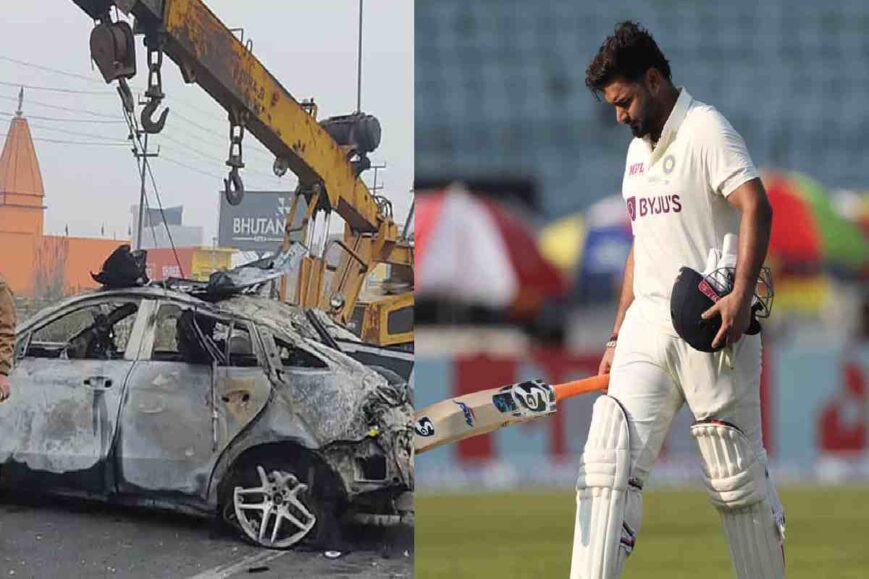
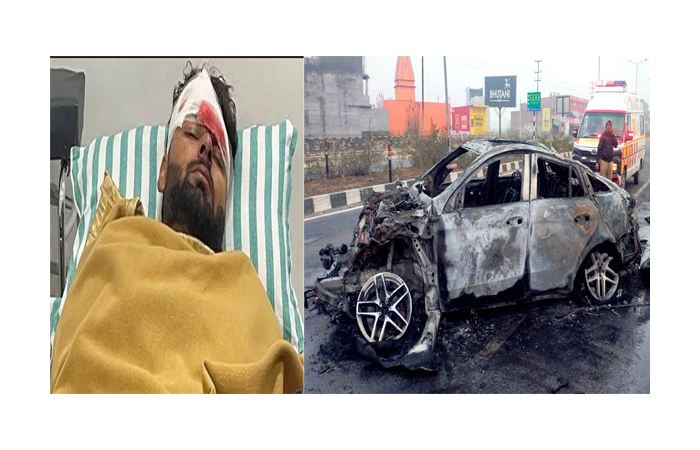
    Rishabh Pant Car Accident on December 30, 2022, Rishabh Pant, the wicketkeeper-batsman of the Indian cricket team, was in a severe car accident on the Roorkee-Haridwar bypass in Uttarakhand. In cricket news, the 25-year-old wicketkeeper-batsman was involved in a road accident while visiting his mother. His car collided with a road divider and subsequently caught fire around 5:30 AM. He was critically injured, and they rushed him to one of the nearby hospitals in the area before he was flown to Mumbai. It has made it confident that the future of Pant, as far as cricket is concerned, will be bleak. For more updates please visit our website

    Read through the papers and other sources to find Rishabh Pant’s condition after the accident as given below:

    At one point, Pant, being careless enough to attack, planted one in his forehead that damaged the ligaments of his right knee, his wrist, his right ankle, and toe. He had abrasions in the back part of the body, which were also noticed during the physical examination. Rishabh Pant also had a small flap-like mole on his right palm. He also had a facelift surgical operation to correct his facial fractures and had oral-maxillofacial surgery merely to construct his jaw. Rishabh Pant had orthopedic sessions for his injuries on the knee and leg. He was first put to Dehradun and later relocated to New Delhi. After that, he was shifted to Mumbai for further treatment. Looking at some of the information till January 17, 2023, it clearly showed that Pant was no longer in a critically dangerous condition but in a rehabilitation program at home.

    Details Regarding the Rishabh Pant Car Accident

    Rishabh Pant Car Accident

    Pant rested during the second T20I of the series against Sri Lanka on December 29, 2022, in Pune. The following morning, around 5:00 AM, he hopped into his black Mercedes and drove from New Delhi to Roorkee, near Dehradun in Uttarakhand, to surprise his mother. Rishabh Pant was driving a luxurious car, and no one professional could help him drive it. Rishabh Pant was driving the car when the vehicle he had been driving skidded off near Manglaur in Haridwar district at about 5:30 AM. Though he bounced off the divider, the car caught fire immediately. Onlookers immediately tried to put out the fire and help Pant out of the wreckage of his vehicle. The star movie hero was suspected to have had an accident on the Delhi-Dehradun highway; police believe that he must have dozed off at the wheel. The causes of the accident are still unknown.

    High Degree of Risk for Rishabh Pant Car Accident

    It was a high-speed accident, and Pant was left critically injured. The impact of hitting the road divider left his vehicle severely damaged and Pant with multiple injuries:

    1. Injury of ligament of the right knee.
    2. Some injuries include the wrist, ankle, and toe on the right side.
    3. Carnival Head – scratches on the forehead, back and body.
    4. There is a flap or swelling on the right palm
    5. Surgical injuries of facial and mandible bones

    Besides external injuries, all medical examinations, including X-ray scans and other tests, were carried out on patients to ascertain if they had suffered any internal organ trauma. Fortunately, no significant issues were noted regarding the cricketer’s internal injuries or bleeding. The BCCI issued statements claiming that Pant has undergone plastic surgery and is now out of work but has a long rehabilitation and therapy process ahead of him.

    Effect on Pant’s Cricket Career

    The accident and the resulting injuries have raised concerns about its implications on Pant’s entertainment and the growth of his international cricket career. The BCCI medical team declared him out of competitive cricket for an unspecified period. Pant could potentially miss six months to a year of cricket across formats during his recovery and rehabilitation:

    1. I won’t be able to play in major series and tournaments in 2023, including IPL.
    2. Could be axed from the Test and ODI sides of the Indian team
    3. Rehabilitating knee ligament tears and fractures will not be easy
    4. Rehabilitation of the wrist, hand, and fingers is essential for the wicketkeeper due to the amount of strength required.
    5. He could lose his explosiveness and agility and thus the way he bats.

    Therefore, much depends on how Pant recovers and reacts to such therapies as may be necessary. Age is in his favor. He has the desire to come back with more vengeance. However, it can take considerable effort to regain the optimal physical fitness to play the game at the highest level. They expect him to return in time for the decisive home series and the 2023 World Cup.

    Conclusion

    Cricket fraternity is shocked after the tragic car crash which involved Rishabh Pant. Fortunately, he left the scene alive but has a long way to go regarding healing. With surgical operations and a comprehensive rehabilitation program ahead of him, Pant selects a race to regain his fitness for competitive cricket. Some of the fundamental issues raised include the ability to lose valuable cricket time. The difficulties involved in regaining form once he is back to playing cricket. Yet, if the gritty century that Pant scored after recovering from COVID-19 earlier in 2022 is any indication, the Australian cricketer will also have the heart to overcome this severe setback. Indian cricket lovers would pray for this young, talented movie star to recover physically and mentally from this accident.


  • Ethics in Legal Representation

    Ethics forms the bedrock of legal representation. Lawyers are bestowed with the noble responsibility of advocating on behalf of their clients, often in situations where liberty, safety, and livelihoods are at stake. Yet, the profession endures scrutiny, owing largely to a perception that the line between zealous representation and ethical practice often blurs. This piece offers an opinionated critique on the undeniable significance of ethics in lawyering and the urgent need for its steadfast adherence in legal circles. For more updates please visit our website

    The Moral Code

    Attorneys have a duty to abide by a stringent code of ethics to ensure justice is served and trust is maintained. The rules are not mere guidelines; they are imperative. A lawyer who breaches this code potentially tilts the scales of justice, risking the integrity of the entire legal system. Ethical duties go beyond just serving the client’s interests; they entail preserving the truth, upholding justice, and maintaining client confidentiality.

    However, not all practitioners hold their moral compass steady. Indeed, the quest for victory can lead some down perilous paths, sacrificing ethics at the altar of success. Whether it’s withholding evidence, fostering conflicts of interest, or exploiting client trust, unethical conduct is an aberration that demands rectification. Lawyers must continually question the morality of their actions, as the repercussions of unethical choices can be profound and lasting.

    The concept of moral courage deserves attention within the context of legal ethics. It is not enough to simply avoid wrongdoing; lawyers must also be willing to confront unethical behaviors within their ranks and beyond. A commitment to ethical practice must include the bravery to speak up against misconduct, even when it might result in professional or personal repercussions. Such courage is a testament to the deeper values that drive the legal profession toward a more accountable future.

    Support Systems in Legal Practice

    While navigating the intricacies of the legal system, individuals often require extensive support, especially when dealing with criminal charges or detentions. Resources such as bail bonds in Los Angeles provide important assistance to people facing incarceration, enabling them to continue preparing their legal defenses from outside incarceration. This form of support highlights the broader role of the legal profession in upholding justice and ensuring fair representation.

    Client Confidentiality

    Confidentiality forms a vital pillar of the attorney-client relationship. Clients must feel secure when disclosing information, however sensitive, to their representatives. This bond should be impenetrable, save for instances where the client poses a threat to themselves or others. Yet, instances of breaches in confidentiality occasionally mar the profession. The dissemination of sensitive information can not only harm individual clients but also diminish public trust in the legal fraternity.

    To maintain the sanctity of confidentiality, legal professionals must set robust systems that guard against inadvertent disclosures. A simple lapse can have dire consequences, and thus, repeated introspection and recalibration of one’s practices are indispensable.

    Moreover, with the increasing complexity of cases and the involvement of multiple parties across various platforms, safeguarding sensitive data has become more challenging. Lawyers and those in supportive legal roles must be adept at handling digital solutions that are designed to ensure data security. Training in digital ethics and understanding the technology involved are major components in fortifying client confidentiality.

    Zealous Representation vs Overzealous Behavior

    There is a fine line between advocating passionately for one’s client and straying into overzealous territory. Lawyers pledging allegiance to the latter often cross ethical thresholds, engaging in deceit or manipulation. Zealous representation is neither a license for lying nor a justification for unethical maneuvers.

    A lawyer’s primary allegiance must be to the truth, for ultimately, the law exists to uphold justice for all parties involved. Unchecked enthusiasm for a client’s cause that disregards fairness and honesty is a violation of ethical standards, portraying law practitioners unfavorably in the eyes of the public.

    Law schools and law firms can play a big role in addressing such behaviors by nurturing a culture of ethical competitiveness. Graduates must enter their careers understanding the difference between assertive advocacy and harmful aggressiveness. Establishing mentorship programs that emphasize these distinctions can provide young lawyers with the right guidance, steering them toward honorable paths as they develop their practice.

    The Role of Regulation and Education

    In safeguarding ethics, regulatory bodies must assume a vigilant role. Implementing strict measures and holding practitioners accountable is non-negotiable. If lawyers are found guilty of ethical breaches, their positions should be reconsidered, and necessary sanctions imposed.

    Furthermore, comprehensive ethical training should be ingrained in the ethos of law schools, imparting not only the ramifications of unethical conduct but also the rewards of upholding integrity. Continuous education initiatives should underscore the value of unwavering ethical adherence.

    Conclusion

    Ethics in legal representation cannot be overstated. Lawyers serve as guardians of justice, with trust as the currency of this esteemed profession. Upholding a code of ethics is not a mere requisite; it is fundamental to the purpose of law. Public trust, justice, and moral responsibility must together form the tightrope upon which legal professionals tread. The legal industry, perhaps more than any other profession, demands unwavering ethical commitment from its members. Anything less would render the profession a vessel without an oar, swayed by the erratic waves of deceit and dishonesty. Ethics in legal representation are non-negotiable, plain and simple.


  • Justice Dhananjaya Yeshwant Chandrachud

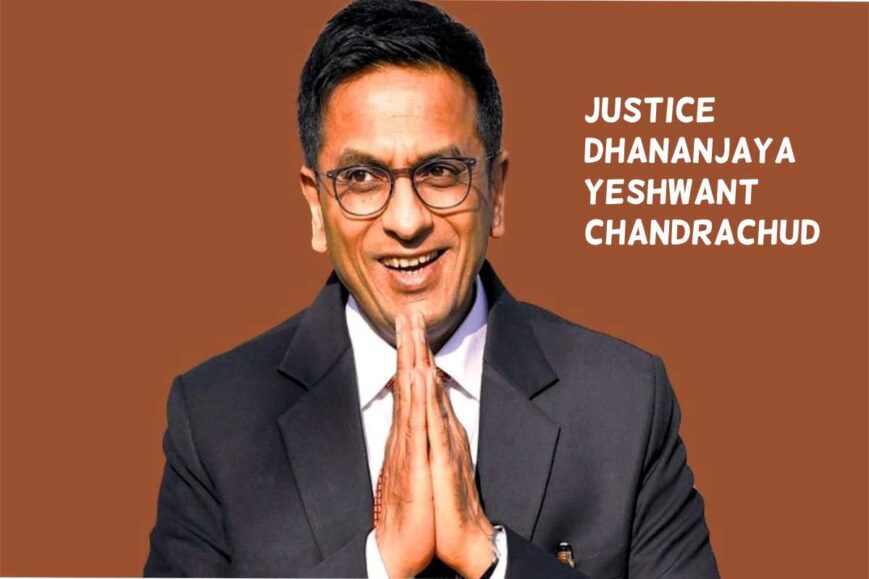
    Justice Dhananjaya Yeshwant Chandrachud: A Prominent Figure in India’s Forward-Looking Judiciary is a prominent Indian jurist who currently serves as a judge on the Supreme Court of India. He comes from a family with a long history of legal expertise, as his father was also a former Chief Justice of India. Justice Chandrachud is known for his progressive and insightful judgments, particularly in civil liberties and fundamental rights cases. His commitment to upholding the principles of justice and equality has earned him widespread respect and admiration within the legal community.

    Provide background information on his career and achievements, highlighting his entrepreneurial spirit and success in various industries. Born and raised in a small town, he always dreamed of making it big and never shied away from taking risks. His relentless drive and determination led him to start several successful businesses, amassing a vast fortune. Despite facing numerous challenges, he remained focused on his goals and continued to push the boundaries.

    Justice Chandrachud’s contributions to the Indian judiciary have significantly shaped the evolution of legal principles and interpretations in the country. His landmark judgments have not only upheld the constitutional rights of citizens but have also set important precedents for future cases. In this essay, we will explore some of Justice Chandrachud’s most notable decisions and analyze their impact on the Indian legal system. have had a significant effect on the legal landscape of the country. For more updates please visit our website

    Early Life and Education

    Justice Chandrachud hails from a prominent legal family in India, as his ancestors were in the legal profession. His grandfather, Mahadev Govind Ranade, was an outstanding intellectual and social reformer of nineteenth-century India. His father was an eminent judge of the Supreme Court of India and Chief Justice of India from 1978 to 1985, the longest-serving person in that position to date. Justice Deepak Gupta is one of the judges of the Supreme Court of India. He also hails from the same village as Justice Chandrachud and was the son of Chief Justice of India K. K. Venugopal.

    Justice Chandrachud was a student of St. He also holds a Master’s and Doctorate in Jurisprudence (SJD) from the prestigious Harvard Law School in the United States. Having studied at some of the best institutions in India and having world-class legal training has undoubtedly contributed to Justice Chandrachud becoming one of the greatest jurists of his time.

    Early Legal Career

    Justice Chandrachud pursued his legal education and obtained his degrees before joining the Supreme Court and the Bombay High Court as a practicing advocate from 1987 to 1998. His legal practice involved writing legal statutes and codes, litigating matters of public importance under constitutional law, and counseling international business entities with legal issues concerning India. His scholarship and legal skills were highly acclaimed during this period – he wrote part of the ‘Justice Verma Committee Report’ where reforms for changes under India’s criminal laws on sexual assault and rape laws were proposed following the brutal 2012 Delhi gang rape.

    Promotion to the Supreme Court

    Justice Dhananjaya Yeshwant Chandrachud

    D.Y. Chandrachud  the Solicitor General of India from 1998 to 2000 and  appoint as a Judge of the Bombay High Court in 2000. He earned a reputation for his strict legalistic and progressive decisions on the constitutional, arbitration, and election laws, among others. Justice Chandrachud began his judicial career at the Bombay High Court in 2000, worked there till 2013, and was appointed as Judge in the Supreme Court of India in May 2013. He is one of the youngest Supreme Court judges in India.

    Landmark Supreme Court Judgments

    Justice D. Y. Chandrachud has been an apex court judge for 13 years. During this time, he established himself as one of the brightest legal minds, providing the people of India with many significant judgments that have profoundly impacted the nation’s essential legal rights and freedoms, equality, and liberty.

    Some of the landmark judgments by Justice Chandrachud are decriminalizing homosexuality in the Navtej Singh Johar case (2018), the Puttaswamy case where the court recognized the right to privacy (2017), the case Suchita Shrivastava where the right to abortion was expanded (2020), the Joseph case where the Women Officers was accorded Permanent Commission (2020), and Anuradha Bhasin case By these and other historical decisions, Justice Chandrachud became known as the founding father of liberal constitutionalism in India in the field of civil liberties, privacy, freedom of speech, women, and welfare. His method of law has been described as one that respects individual dignity and freedom, interprets the Constitution differently than formally, and does not stop at conventional morality.

    Chief Justice of India is a Dhananjaya Yeshwant Chandrachud

    The 50th chief justice of India Supreme Court is Justice D. Y. Chandrachud, who assumed the position on November 9, 2022, succeeding U. U. Lalit. He is 63 years old, and if appointed, he is likely to serve for quite a long time for any Chief Justice recently appointed, given that he might serve up to November 2024.

    Justice Chandrachud became the leader of the Supreme Court of India at a time when Indian democracy and the rights of citizens were under tremendous pressure across the country. Given the final protector of the country’s Constitution, massive expectations are vest in the independence, integrity, and progressiveness of India’s higher judiciary. However, the record and the principle of legal mechanism that Justice Chandrachud follows gives us confidence that the Supreme Court of India will be in steady hands as it moves ahead and leads India in the future.

    His reformist approach, his progressive orientation, and his profound knowledge of the fundamental principles of India’s Constitution intend to construct an Indian judiciary that will correspond to the expectations of a young country like India – a country that society wants to preserve traditions and at the same time, wants to accept changes, protect rights and liberties for the people but also guarantee welfare for the people. D.Y. Chandrachud is the Chief Justice of India, and citizens can trust the Supreme Court of India to maintain the democratic spirit of the Indian Constitution while also protecting the Constitution from threats to its democratic values.

    Conclusion

    Dhananjaya Yeshwant Chandrachud is an Indian jurist who is India’s 50th and current chief justice, having served since November 2022. He  appoint as a judge of the Supreme Court of India in May 2016.