
INTRODUCTION
The political and electoral landscape of West Bengal has always played a crucial role in shaping India’s democratic framework. With the upcoming 2026 state elections, discussions around electoral transparency, voter data accuracy, and reforms have intensified. One of the most talked-about topics in this context is the SIR (Summary Intensive Revision) of electoral rolls.
Electoral rolls are the backbone of any democratic election. They determine who is eligible to vote and ensure that elections are conducted fairly. However, issues such as duplicate entries, missing voters, and outdated data often raise concerns. To address these challenges, the Election Commission of India introduced processes like SIR.
In West Bengal, SIR has gained attention due to its timing, implementation, and the concerns raised by political parties and citizens alike. This article provides a detailed overview of SIR, its significance in West Bengal, and its connection to the upcoming elections.
SIR West Bengal Details
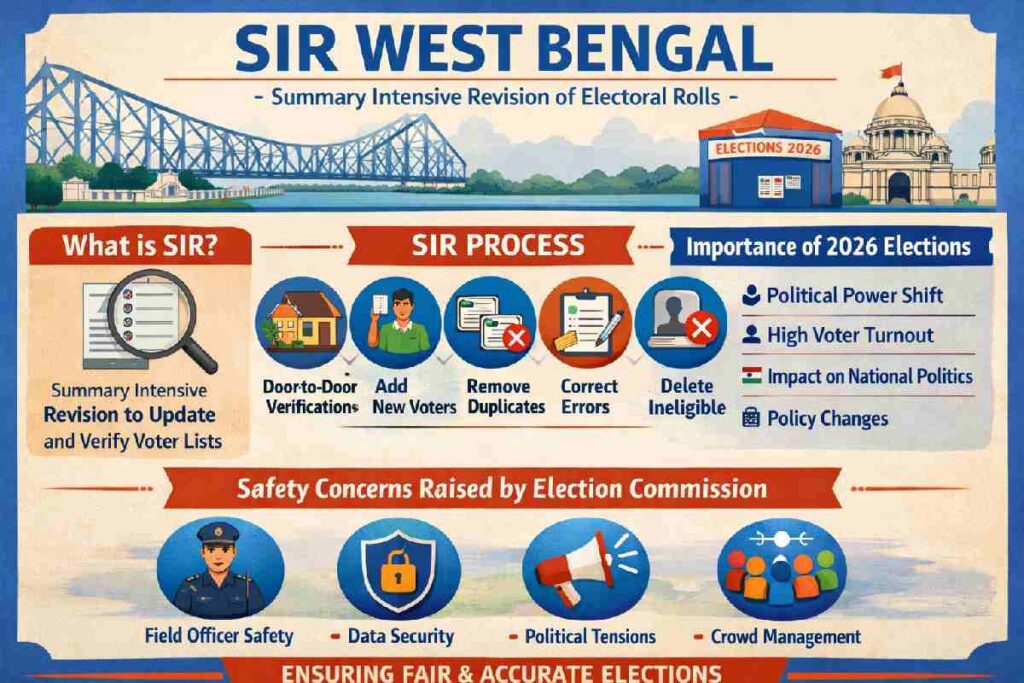
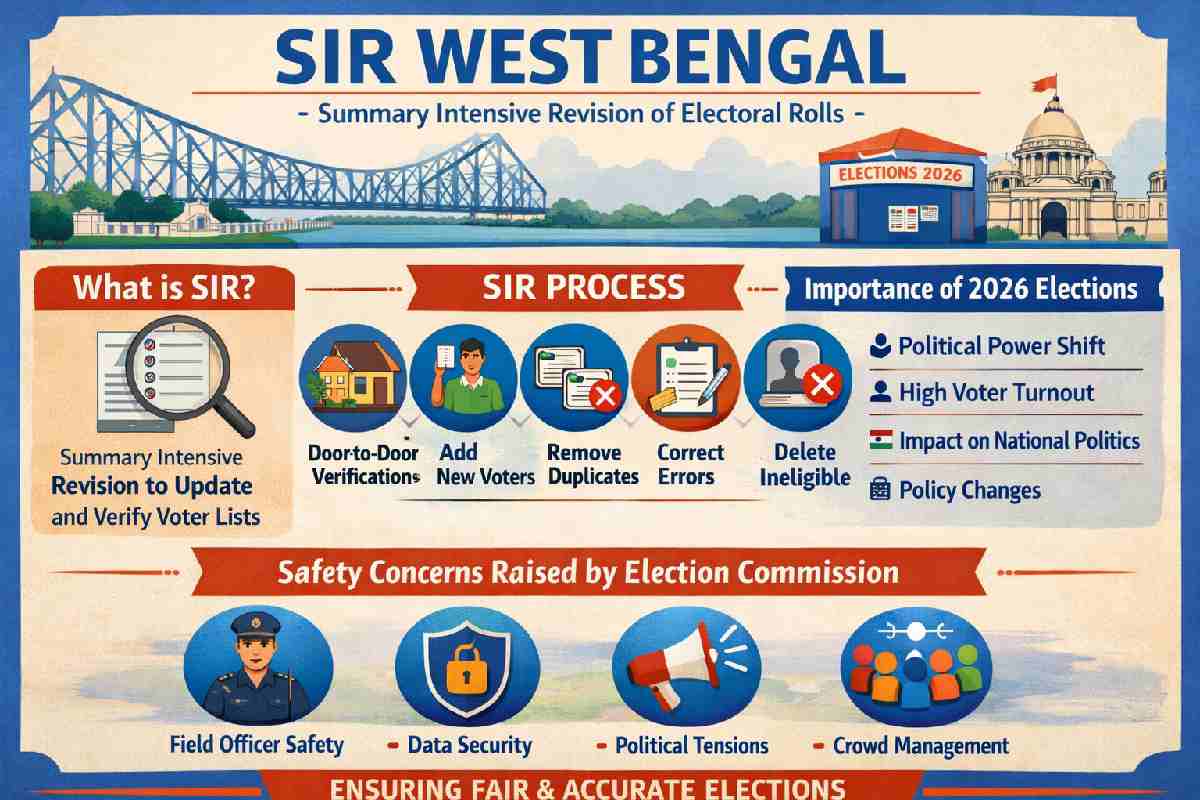
SIR, or Summary Intensive Revision, is a special exercise conducted to update and verify electoral rolls. In West Bengal, this process involves door-to-door verification, correction of voter details, and removal of duplicate or ineligible entries.
The SIR process includes:
- Verification of existing voters
- Addition of new eligible voters
- Removal of deceased or shifted individuals
- Correction of errors in voter information
West Bengal’s political environment makes SIR particularly significant. With high voter turnout and intense political competition, even minor discrepancies in electoral rolls can influence outcomes.
The involvement of officials, political observers, and local authorities ensures that the process remains transparent. However, challenges such as accessibility, data privacy, and security concerns continue to be debated.
What is the Full Form of SIR?
The full form of SIR in the electoral context is:
Summary Intensive Revision
This process is different from regular updates because it is more detailed and involves physical verification rather than just online or form-based updates.
Key Features of SIR
| Feature | Description |
| Type of Revision | Intensive and detailed |
| Conducted By | Election Commission officials |
| Method | Door-to-door verification |
| Purpose | Ensure accurate voter lists |
| Frequency | Before major elections |
SIR West Bengal List
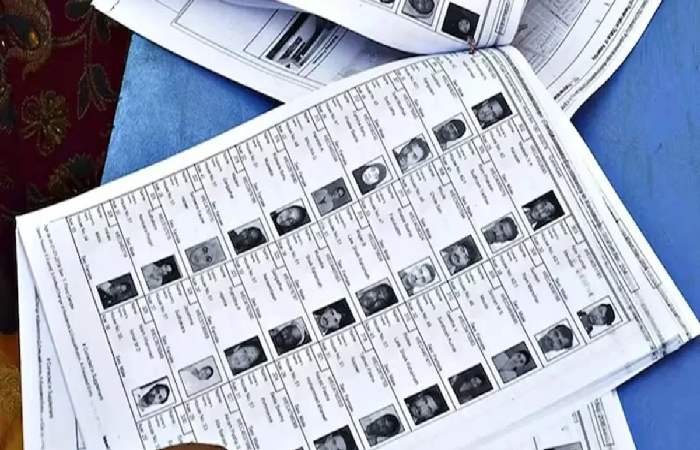
Below is a simplified representation of how SIR categorizes voter data during revision:
| Category | Description | Action Taken |
| Existing Voters | Verified residents | Retained |
| New Voters | Recently eligible citizens | Added |
| Duplicate Entries | Same voter listed multiple times | Removed |
| Deceased Voters | Voters who passed away | Deleted |
| Shifted Voters | Moved to another location | Updated/Removed |
| Incorrect Details | Errors in name, age, address | Corrected |
This structured classification ensures that the electoral roll remains accurate and reliable.
Why Are the 2026 State Elections in India Important?
The 2026 elections are highly significant for several reasons:
1. Political Power Shift
States like West Bengal are politically influential. The outcome can affect national alliances and future governance.
2. Impact on National Politics
Regional elections often influence the performance of major parties like Bharatiya Janata Party and All India Trinamool Congress at the national level.
3. Electoral Reforms Testing Ground
Processes like SIR are being closely monitored to evaluate their effectiveness.
4. Voter Participation
High voter turnout in West Bengal makes it a key state for democratic engagement.
5. Policy Direction
Election results influence policies on economy, education, and infrastructure.
When Will the Next Prime Minister of India Be Elected?
The Prime Minister of India is not directly elected by the public. Instead, they are chosen after general elections by the majority party or coalition in the Lok Sabha.
The next general election is expected in 2029.
| Event | Expected Year | Details |
| Last General Election | 2024 | Formation of current government |
| Next General Election | 2029 | Citizens vote for MPs |
| PM Selection | 2029 | Majority party elects leader |
| Current PM | Narendra Modi | Serving term |
This timeline helps understand how state elections like West Bengal’s connect indirectly to national leadership.
SIR of Electoral Rolls in West Bengal Today
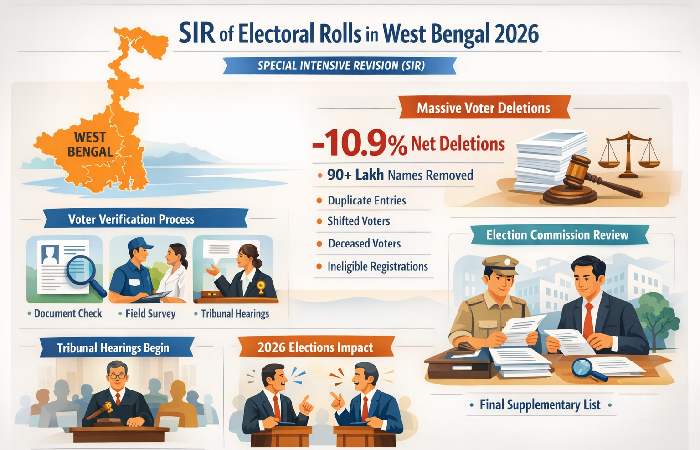
Currently, SIR in West Bengal is being implemented as part of election preparedness. The process includes:
- Digital and physical verification
- Integration with Aadhaar and other identity systems
- Use of technology for error detection
- Public participation through claims and objections
The Election Commission aims to ensure:
- Transparency
- Accuracy
- Inclusivity
However, there are debates regarding:
- Data privacy concerns
- Accessibility for rural populations
- Potential political influence
Despite these concerns, SIR remains a crucial step in strengthening electoral integrity.
What Concerns Did the Election Commission Raise About Safety During SIR?
The Election Commission of India has highlighted several safety-related concerns during the SIR process:
1. Field Officer Safety
Officials conducting door-to-door verification may face resistance or conflict in politically sensitive areas.
2. Data Security
Handling large volumes of voter data raises risks of data breaches and misuse.
3. Political Tensions
West Bengal has a history of intense political rivalry, which can affect smooth execution.
4. Crowd Management
Public interactions during verification can sometimes lead to overcrowding or disputes.
5. Misinformation
False information spread through social media can create confusion among voters.
Safety Measures Implemented
| Concern | Solution |
| Officer Safety | Deployment of security personnel |
| Data Protection | Secure digital systems |
| Political Conflict | Neutral monitoring teams |
| Public Awareness | Information campaigns |
| Misinformation | Official communication channels |
Conclusion
The SIR process in West Bengal is a vital step toward ensuring fair and transparent elections. As the 2026 state elections approach, the accuracy of electoral rolls becomes more important than ever.
While SIR offers significant benefits such as improved data accuracy and increased voter confidence, it also presents challenges related to safety, privacy, and implementation. The efforts of the Election Commission and cooperation from citizens will ultimately determine its success.
FAQs
1. What is SIR in West Bengal elections?
SIR stands for Summary Intensive Revision, a process used to update and verify electoral rolls.
2. Why is SIR important?
It ensures accurate voter lists, preventing fraud and improving election transparency.
3. Who conducts the SIR process?
The Election Commission of India conducts and supervises the process.
4. Is SIR mandatory for voters?
Voters may need to participate in verification if contacted by officials.
5. How does SIR affect elections?
It ensures only eligible voters are included, leading to fair election outcomes.
6. When are the next West Bengal elections?
They are expected in 2026.
7. Does SIR remove voters?
Yes, it removes duplicate, deceased, or ineligible entries.